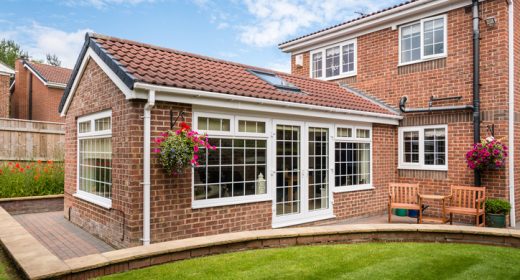
Building a House Extension – An Introduction

So you’ve finally decided that you’ve had enough of that poky little house you’re living in and it’s time to start making more space available. So what are your options? Well I guess you could just move and buy a bigger place, but they prove to be very expensive, or you could arrange to have an extension added to your current house.

How Does Building A New Extension It Work?

Well I’m afraid there is a little more to it than you may actually think. It’s not just a case, as some would have you believe, of getting a small set of plans drawn up, submitting them to the local council and then a couple of weeks later you get a nod to go ahead with them.

There are many considerations to think about when planning on building a home extension. Are you plans adequately drawn? Have you applied for building regulations approval or will you be submitting a building notice? Is the ground suitable for extending on?

In fairness, when we are talking about development to an existing premises, we actually inherit whatever ground conditions actually already exist but even if this is the case, we should still not be put off conducting a thorough site investigation to ensure everything is as it should be before we even start to think about building a Permitted development rights.

You will need to know where the water main runs, the layout of existing drainage pipes or soak ways etc, and more to the point, will these pipes get into the way of your proposed building plans of building a house extension.

The last thing you want is to be pleasantly surprised just as you start to excavate your site, and find out that you can’t build in the spot you want due to obstacles that could have been avoided if only you would have done your homework.

Make sure you have contingency plans in place and even go so far to plan another position or placement for your extension should you not be able to build in your first sought after position. Being prepared and ready will stop any unnecessary delays that may hold up your project.

There is much to cover on this topic that cannot be possibly covered in one short article so I will therefore continue this text in ‘Building A House Extension | part 2’ which can be found via the articles contents.
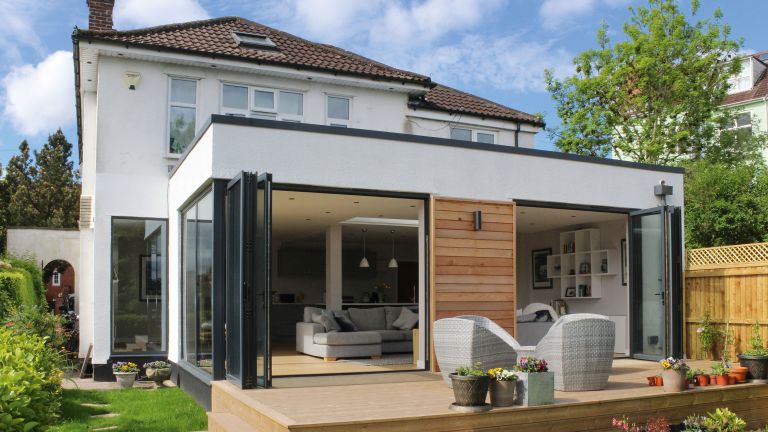
Do You Need Planning Permission for A House Extension?

Every home owner has great attachment with their residence. Rather than shifting to any other e place, most of them prefer to extend the house. Not only does it add more space to the home, but at the same time adds to its value as well. In the majority of the cases, extending a house is cheaper than buying a new one. For home addition you will require professionals who have skills and experienced to construct the additions. A home improvement is a broad and complicated affair. While taking over any home extension project one should have extensive knowledge about the existing construction laws in his/her town. Almost every jurisdiction seeks planning permission for home additions, particularly when new wiring, doors, plumbing and windows are about to set up.

So, those who are planning for home addition require submitting an appropriate plan to the local authority for his/her approval. The blueprint of the house addition must have details regarding the positioning of the electrical wires, plumbing if required and the measurement of the room along with its direction. The design should be in a professional and acceptable format. Such engineering drawings are better be designed by some skilled professionals.

The local jurisdiction needs inspections at the different levels of the construction to check the safety and security of the home addition. Plumbing, framing and electrical inspection is especially required before the local jurisdiction cease the assignment. However, without the permit, the extended parts can be inspected. Above mentioned information was a comprehensive answer on when you need a planning permission for a home extension. For further information, read on the following to know the types of house extension that does not require a permit:

• Any addition to the rear of the residence should not increase the actual floor area by greater than forty square metres. The addition should not decrease the space of the backyard of your home, less than twenty five square metres.

• When extending a front porch make sure it must not be greater than 2 square metres and exceeds 2 metres of footpath or public area. If the same is tiled or pitched, it must not go beyond 4 metres in height.

• Extension of garden paths and car parking spaces

• Addition of garage at the back of the residence that should not cross the building line of your house

If you believe you require a permit for the home improvement, a written details of the proposed assignment needs to be submitted to the Local Planning Authority. However, you can also visit the free online resource for finding answers to all the building and construction related queries.

Design a site like this with WordPress.com
Get started